
Whitefish, MontanaTrusted Veterinary Care
Helping pets live long, healthy, and happy lives across the Flathead Valley, including Whitefish, Columbia Falls, Kalispell, Bigfork, and Eureka.
Progressive Veterinary Medicine — Small Mountain Town Warmth
Our experienced team combines advanced medical technology with genuine compassion, offering everything from preventive wellness care to complex surgeries, dental procedures, and urgent care when your pet needs it most.
Comprehensive Veterinary Services for Every Stage of Life
Your pet’s needs change throughout their lifetime — and we’re here every step of the way. Our modern facility is equipped to provide complete care under one roof, ensuring your companion always receives the attention they deserve.
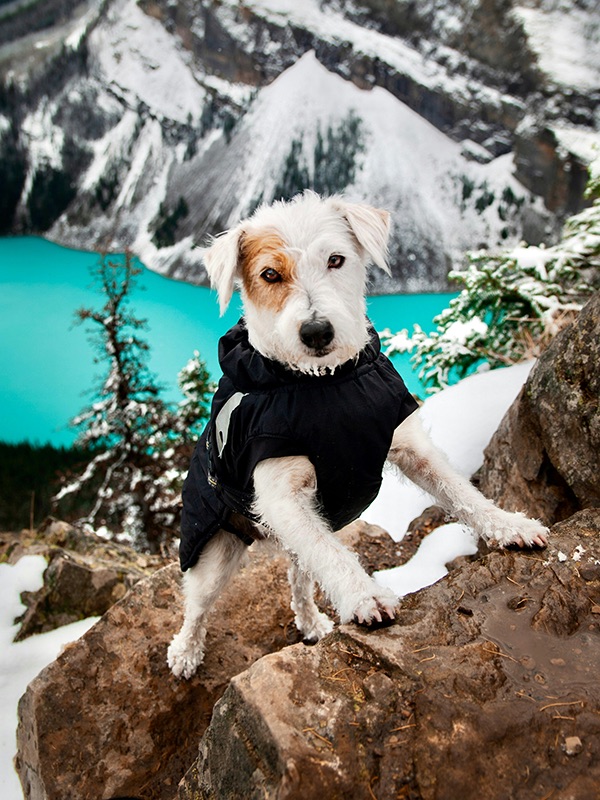
Wellness & Preventive Care
Routine checkups, vaccinations, and parasite prevention help your pets stay healthy year-round. Our team emphasizes early detection and proactive wellness to keep your pet feeling their best.

Surgery (TPLO Certified)
From routine spay/neuter surgeries to advanced orthopedic procedures such as TPLO, our surgical team provides skilled, compassionate care before, during, and after every procedure.
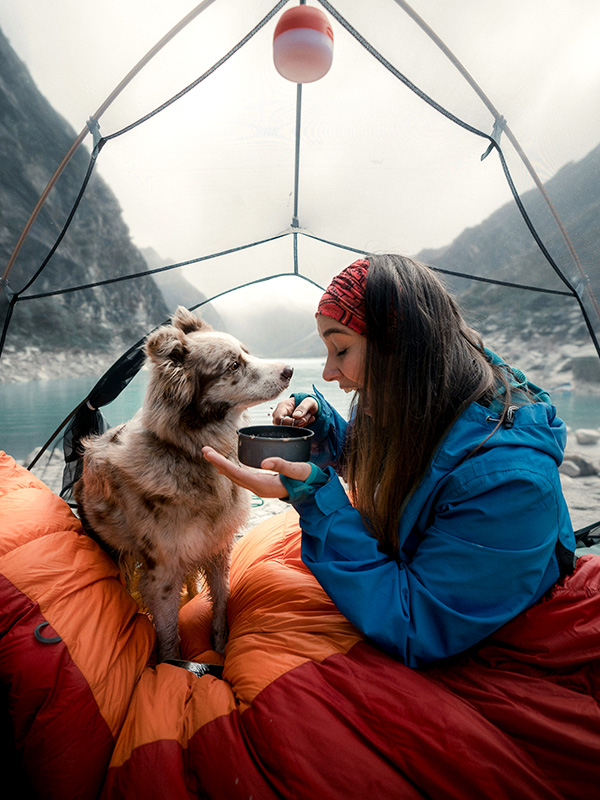
Dentistry & Oral Health
Our standard of care includes full-mouth dental X-rays for every dental procedure to ensure thorough evaluation and optimal treatment of your pet’s oral health.
Why Pet Owners in the Flathead Valley Trust Us
Choosing the right veterinary hospital is one of the most important decisions you’ll make for your pet. We treat your pets like our own — because they’re part of your family, and ours. Here’s what sets Whitefish Animal Hospital apart:

Progressive, high-quality care
Modern diagnostics, advanced medical practices, and compassionate, low-stress handling come together to give every pet a tailored treatment plan and the highest standard of care.

Experienced, long-term staff
Our team of long-term veterinary professionals has spent years building deep relationships with the pets and families we serve — bringing expertise, continuity, and genuine compassion to every visit.

AAHA Accredited
AAHA accreditation is held by only a small percentage of U.S. veterinary hospitals, and we’re proud to be one of them. It means we meet over 900 rigorous standards covering patient care, safety, anesthesia, and medical protocols.

Locally rooted, community-focused
As a locally owned practice, we’re committed to the families, pets, and organizations that make this community special — and to the kind of personalized care that reflects the place we call home.
Meet Our Veterinary Team
Our compassionate veterinarians and support staff are here to make every visit comfortable and stress-free. With years of experience and a shared passion for animal health, our team delivers care you can trust — whether it’s a wellness exam, surgery, or end-of-life support.
What Our Clients Say
We’re proud of the relationships we’ve built with our clients and their pets across the Flathead Valley. Their trust and kind words motivate us to keep providing the very best care possible.
Phoebe S.
“We take our dogs, Maple and Rev, to Whitefish Animal Hospital and couldn’t be happier with the care they receive. The entire team is wonderful, but we especially want to thank Shea and Lena for always going above and beyond. They’re compassionate, professional, and truly treat our pups like their own.”
Joshua M.
“Whitefish Animal Hospital is the best! Dr. Shea is amazing—she treats every animal as if it were her own. You can tell how much she cares, and she always takes the time to make sure you and your pet feel comfortable and informed (yes, even the pets are informed). Couldn’t recommend her and the whole team more!”
Juliann U.
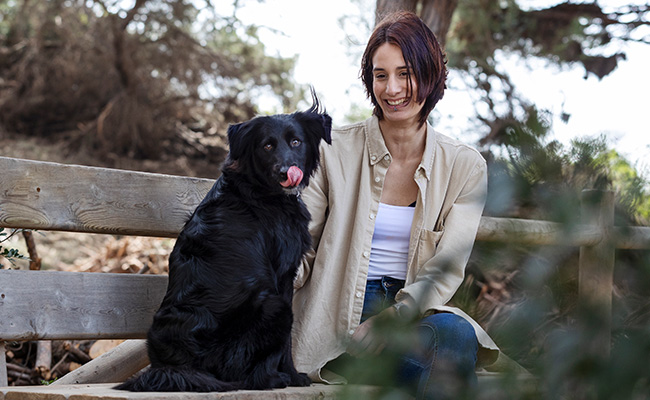
“I cannot recommend Whitefish Animal Hospital highly enough! Every single team member is kind, compassionate, and truly cares for both pets and their owners. They always take the time to explain everything clearly and offer thoughtful options for care. The entire staff has gone above and beyond for my pets.”
Jordan H.
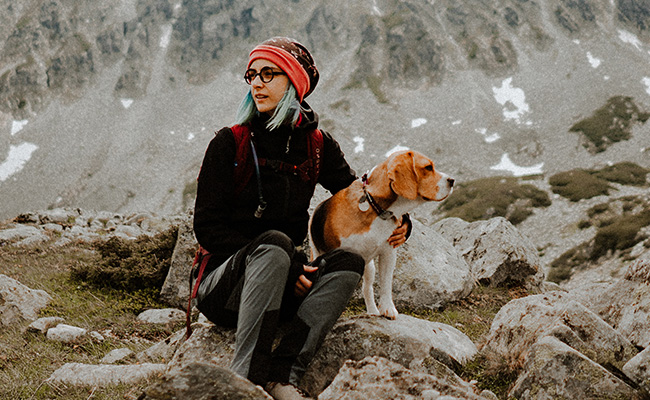
“My dog has serious vet anxiety, yet every visit we have had has been amazing. Our vet, Dr. Shea, and many of the vet techs (specifically Ashley) are not only extremely knowledgeable but also understanding and do everything they can to make Millie feel comfortable and safe. I highly recommend Whitefish Animal Hospital.”
Caring for Pets Across the Flathead Valley
We’re honored to serve pet families from Whitefish, Columbia Falls, Kalispell, Bigfork, and Eureka, MT, offering personalized care that blends advanced medicine with small-town compassion. No matter where you’re from, you can expect the same commitment to quality, communication, and comfort at every visit.